I Went to Malta. I Have Questions.

Sometime during the pandemic, I fell into one of those YouTube rabbit holes.
It kept branching. Eventually it took me into Mesoamerica, Yaxchilán, Palenque and Bonampak, and into something I have a hard time describing simply as an interest in archaeology.
When I visit these places, I don't really see the rocks. I see all the connections they create in my head.
Somebody put that stone there. Somebody figured out how to move it and where to put it. Other people helped. They had tools, techniques, some form of organization, and presumably a reason for doing all that work.
Thousands of years later, we're trying to reconstruct those people from whatever happened to survive.
One of the early branches of that rabbit hole took me to Malta.
I had been watching "iceberg" videos about unexplained phenomena around the world. Ghosts, UFOs, disappearances, ancient mysteries, all the usual stuff. Mixed in were megalithic structures, underground chambers and strange human figures.
Malta kept coming up.
There was Ġgantija, on the island of Gozo, with enormous stones that had inspired legends about giants building the place.
There were these unusual human figures, often described as representations of a Mother Goddess or fertility goddess.
Then there was the Ħal Saflieni Hypogeum, carved underground into the limestone. I kept hearing stories about its acoustics and theories about whether some of its sonic characteristics were intentional.
I'm a musician. Of course that got my attention.
I wasn't particularly interested in believing any of it. Underneath the speculation were real places and real objects.
Somebody had made this stuff.
In September 2026, I finally went to Malta.
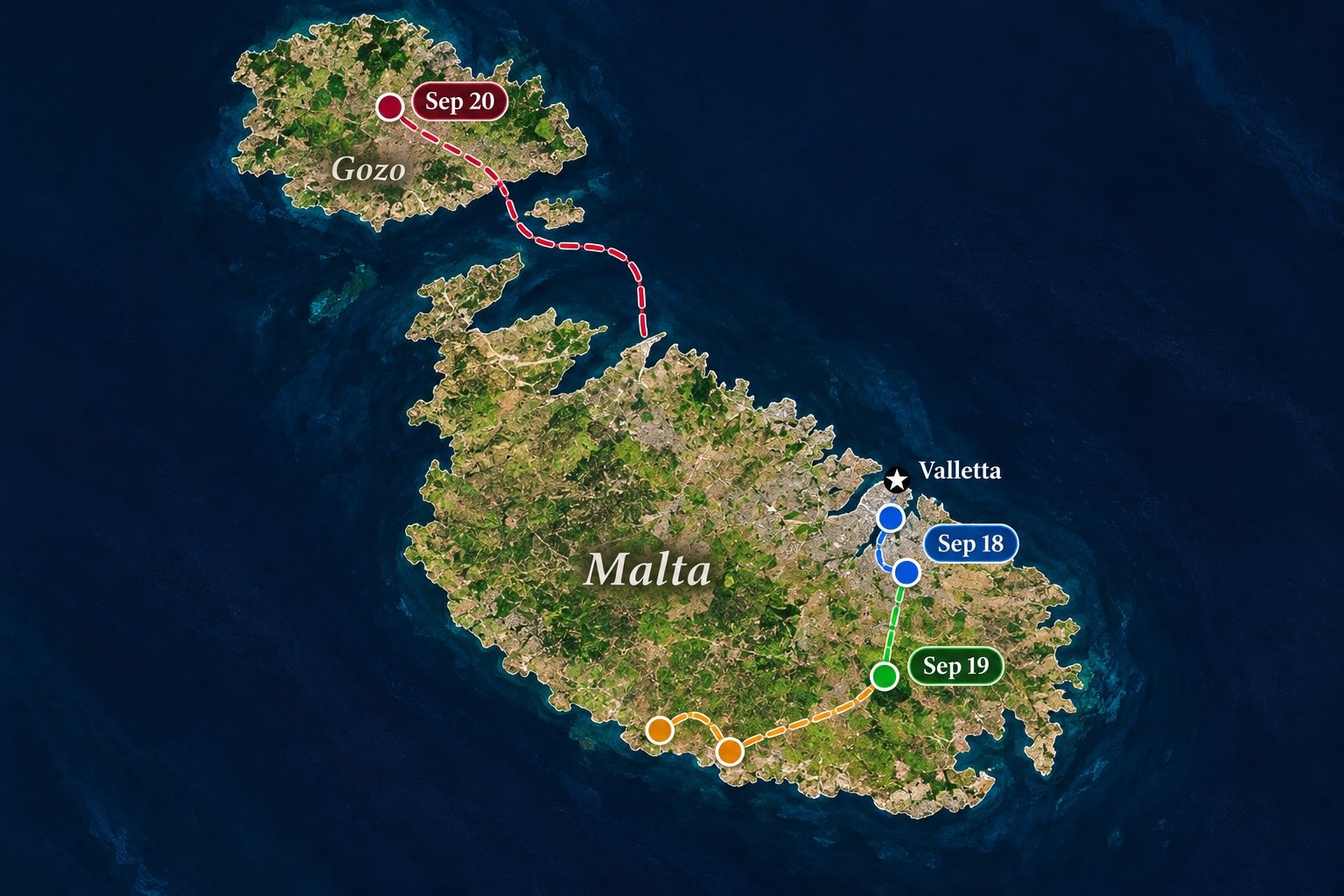 Three days across Malta and Gozo: September 18–20, 2026.
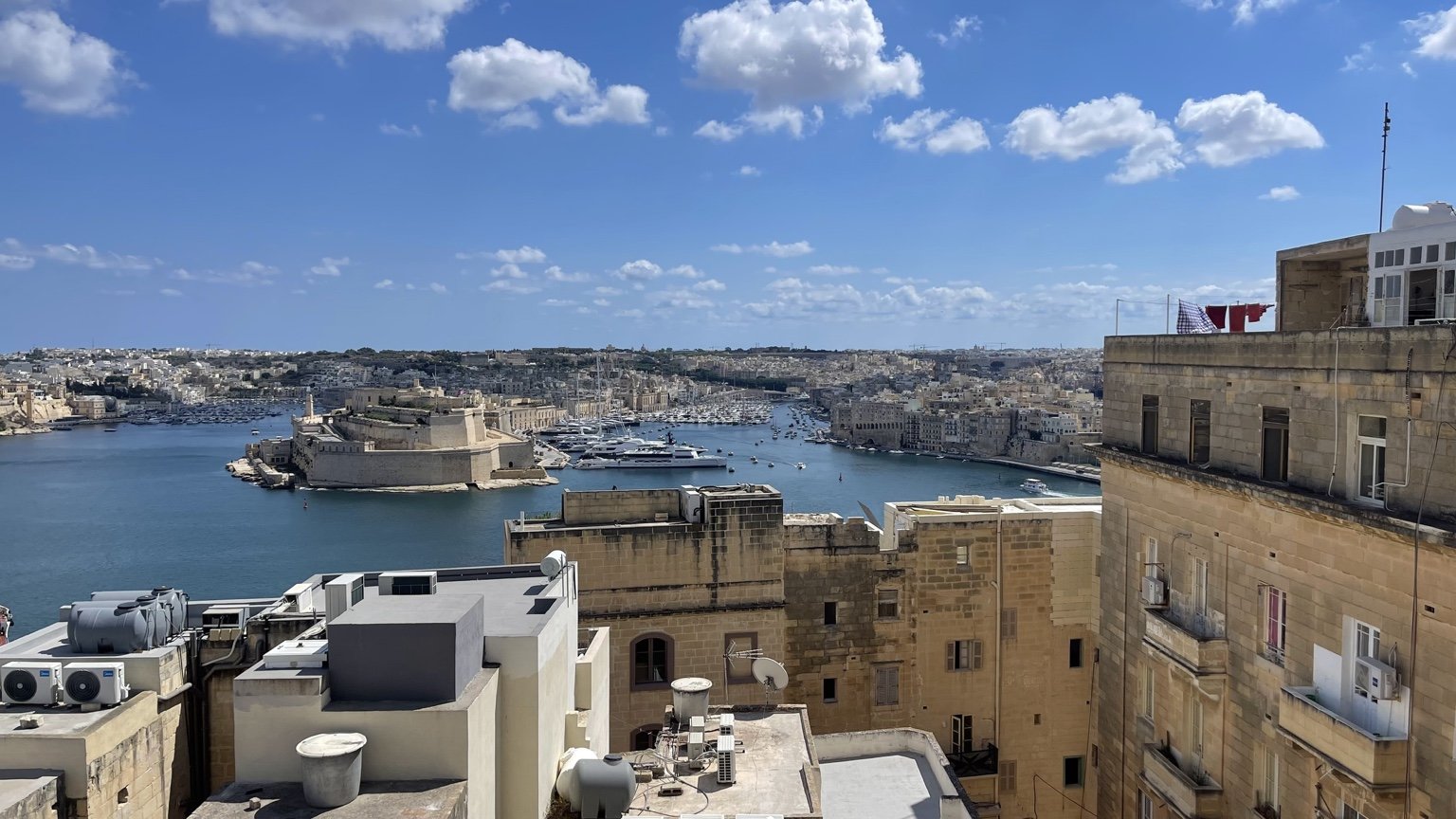 Valletta, Malta.
September 18
I started at the National Museum of Archaeology in Valletta.
There were tools, pottery, carved stones and some of those human figures I had seen years earlier on a screen.
Now they were sitting in front of me.
The objects were real. What they meant was still very much a question.
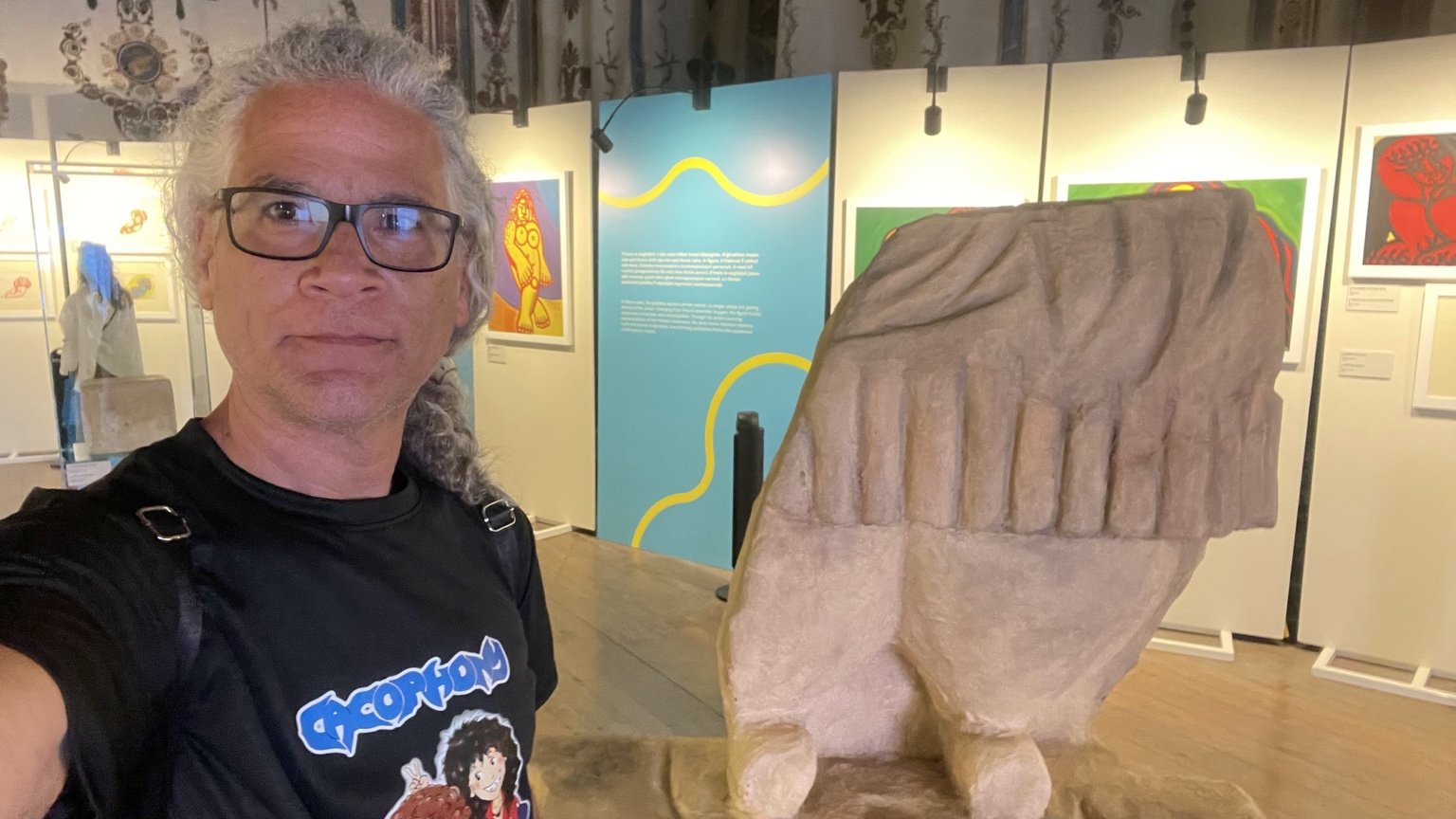 National Museum of Archaeology, Valletta.
Later that day I went to the Ħal Saflieni Hypogeum, an underground burial complex in use from roughly 4000 to 2500 BCE.
It's very different from the other sites I visited. Instead of building upward with huge pieces of limestone, these people carved chambers and passages directly into it, some resembling the architecture they were building above ground.
And yes, I wanted to hear the place.
The acoustics were one reason I knew the Hypogeum existed. I had heard the stories about resonance and sound behaving strangely inside it.
I don't know how much of that was intentional. I don't know that anybody does.
But I got to stand inside a place carved into the ground more than five thousand years ago and listen to it.
That was enough for me.
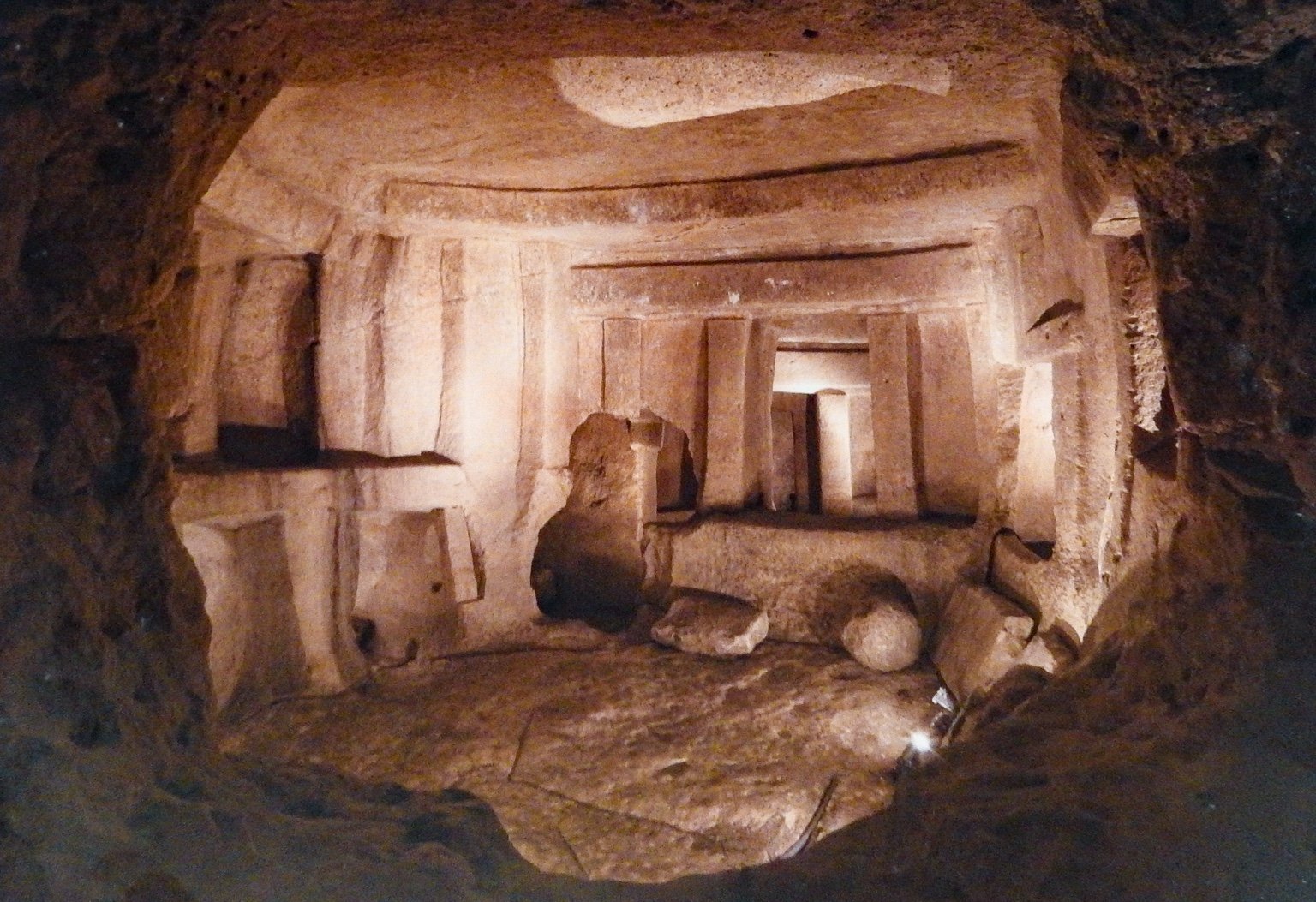 Ħal Saflieni Hypogeum. Photo: xiquinhosilva / Wikimedia Commons, CC BY 2.0. Resized.

September 19
The next morning I went to the Ħal Tarxien Prehistoric Complex, whose four megalithic structures were built roughly between 3600 and 2500 BCE.
This was my first encounter with the big structures above ground, and photographs don't quite prepare you for their scale.
Standing next to one, my brain immediately went somewhere practical.
How the hell did they put that there?
Tarxien also made it clear this wasn't simply a matter of moving large rocks. There were carvings, rooms, entrances and deliberate architectural choices.
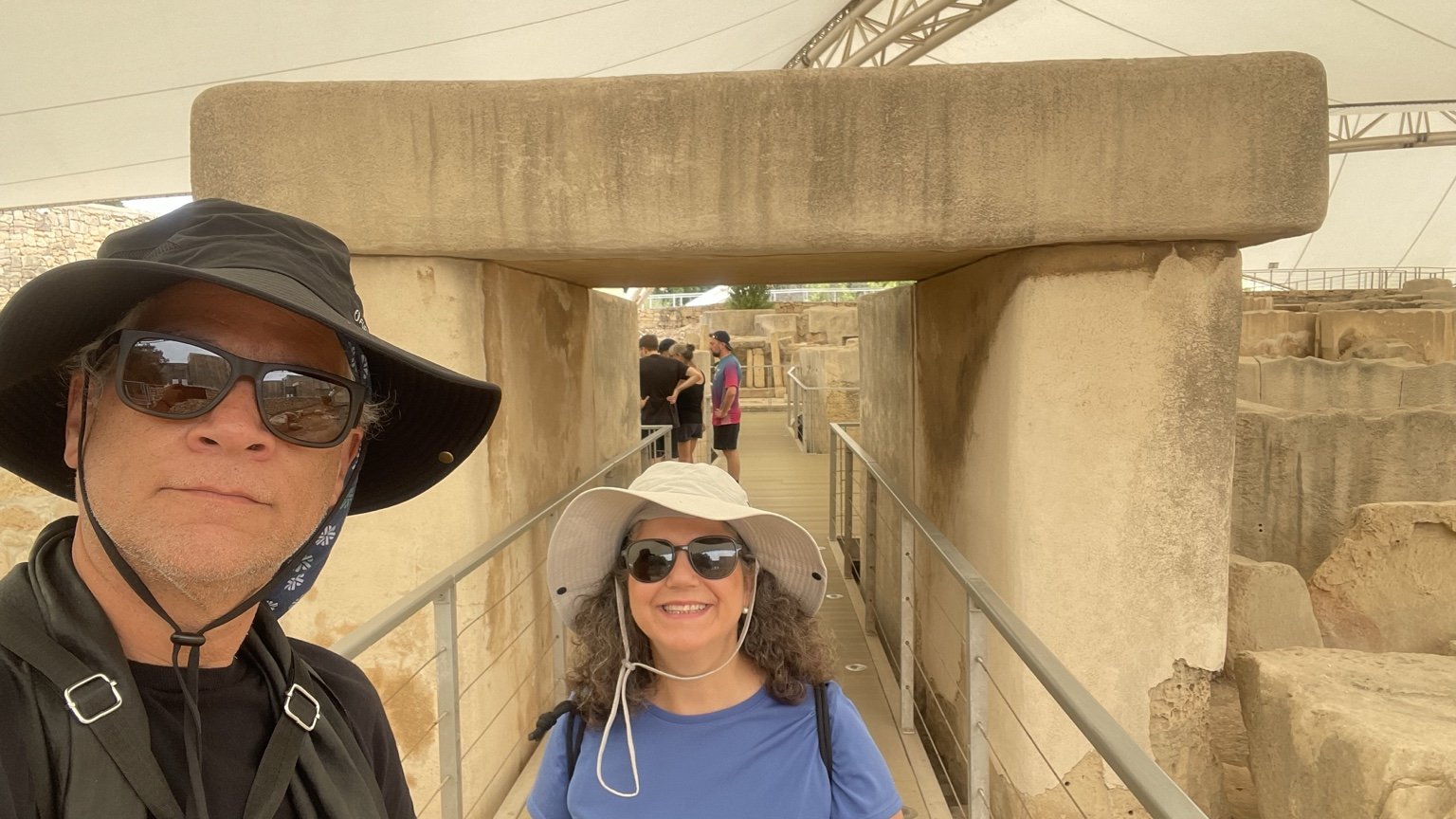 Ħal Tarxien Prehistoric Complex.
From there I went to the Ħaġar Qim and Mnajdra Archaeological Park. Ħaġar Qim was built roughly between 3600 and 3200 BCE; the structures at Mnajdra span roughly 3600 to 2500 BCE.
Ħaġar Qim came first.
Some of these stones weigh several tons. Somebody had to get them out of the ground, move them and stand them up.
No cranes, engines or steel tools. Whatever they did, they figured it out with the materials and knowledge available to them.
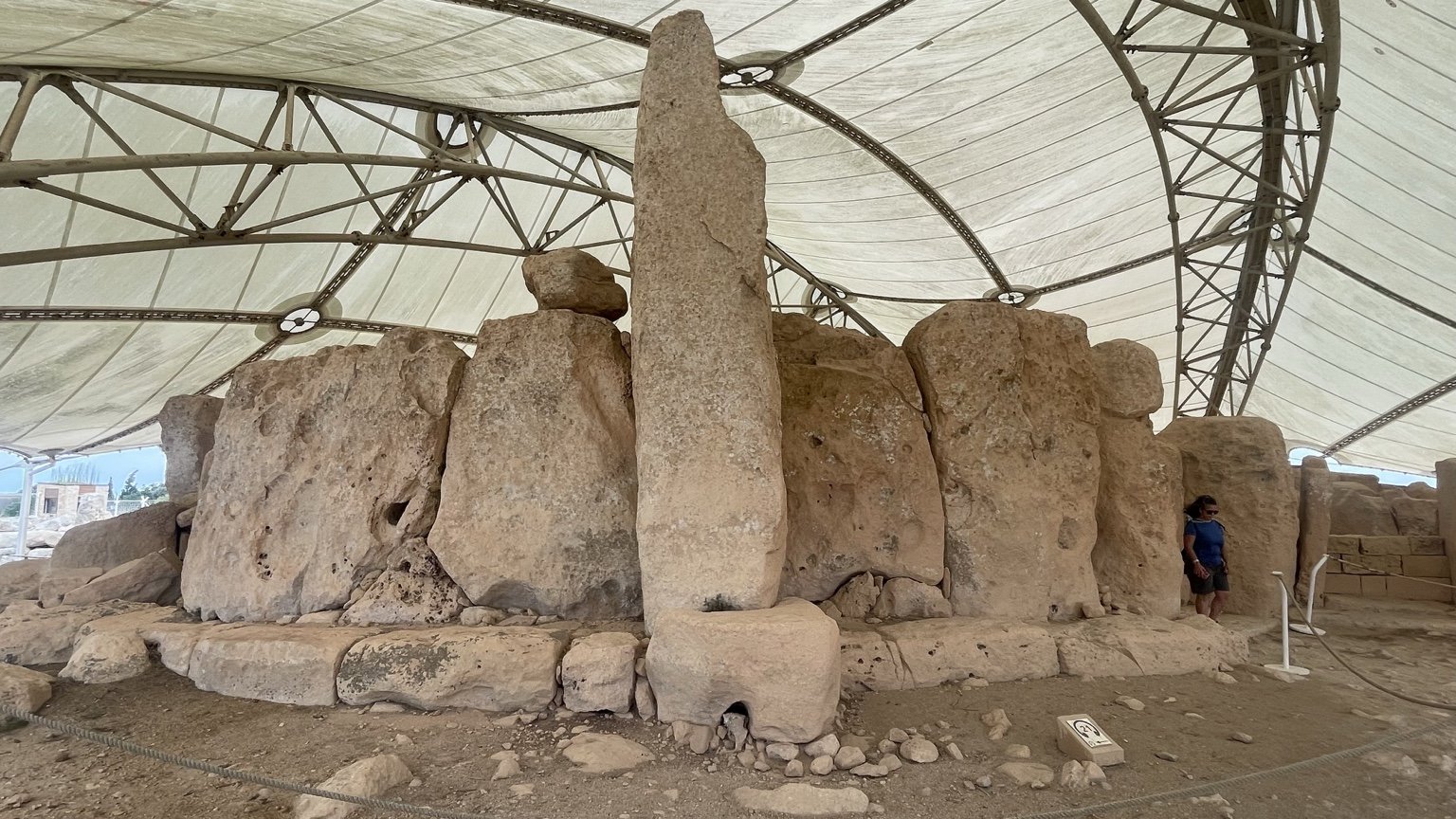 Ħaġar Qim.
Then I walked down to Mnajdra.
I kept reminding myself that none of this was what it had been.
Stone survives far more reliably than wood, rope, fabric or hides. Pigments can disappear. Surfaces erode. Five thousand years is a very long time.
So how much was missing from the picture I had in front of me?
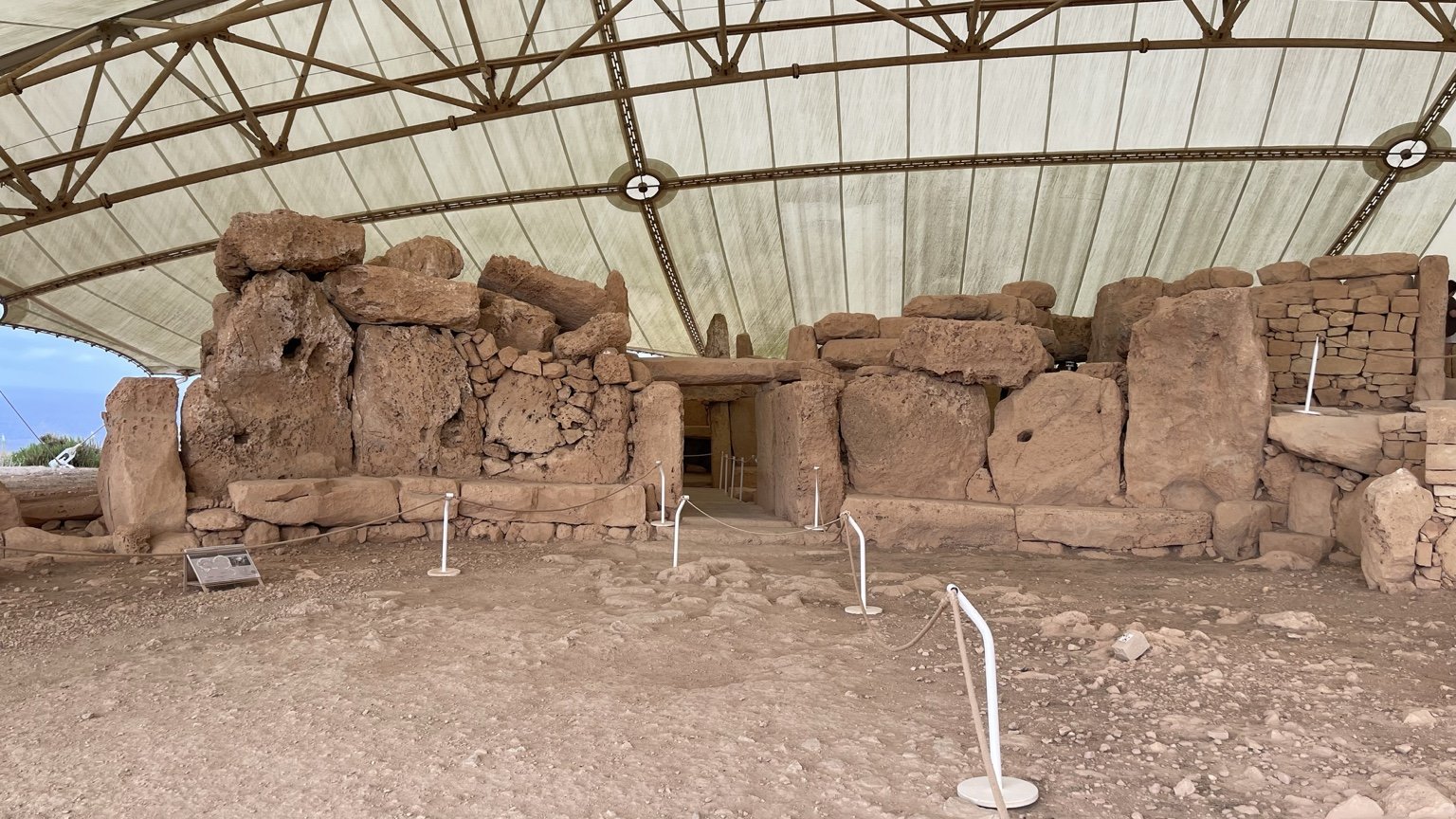 Mnajdra.
September 20
The next day I went to Gozo and finally reached the place that had put Malta into my head years earlier: the Ġgantija Archaeological Park. The oldest of its two temples dates to around 3600 BCE.
I have trouble doing anything useful with a number like that, so I started placing it next to other things.
Stonehenge wasn't there yet. Neither were the Egyptian pyramids. Egypt hadn't even been unified under the pharaohs. Writing would emerge in Mesopotamia several centuries later.
And on a small Mediterranean island, somebody was already organizing enough people, knowledge and labor to move enormous pieces of limestone and turn them into architecture.
That's when 3600 BCE started to mean something to me.
This was the one with the giants.
There is folklore that giants built Ġgantija.
I love stories like that, but standing there looking at those stones, my brain goes somewhere else. Carl Sagan immediately comes to mind: extraordinary claims require extraordinary evidence.
And giants are a pretty extraordinary claim.
Before wondering whether something extraordinary happened here, I want to know how far we can get without it. What could people with the tools and materials available five thousand years ago actually do? What does the archaeology tell us? What can we test? What can we infer?
Because the stones are extraordinary enough. Someone really did move them.
The question is how.
Experiments and archaeological evidence can tell us quite a bit.
And then there are things we may simply never know.
That was what I kept thinking about while walking around Ġgantija.
I wasn't really looking at rocks.
I was looking at what was left of people.
We don't know their names, what they called these places, exactly what happened inside them or precisely what they believed.
They figured things out, built things and left things behind.
And five thousand years later, I was standing there trying to understand them.
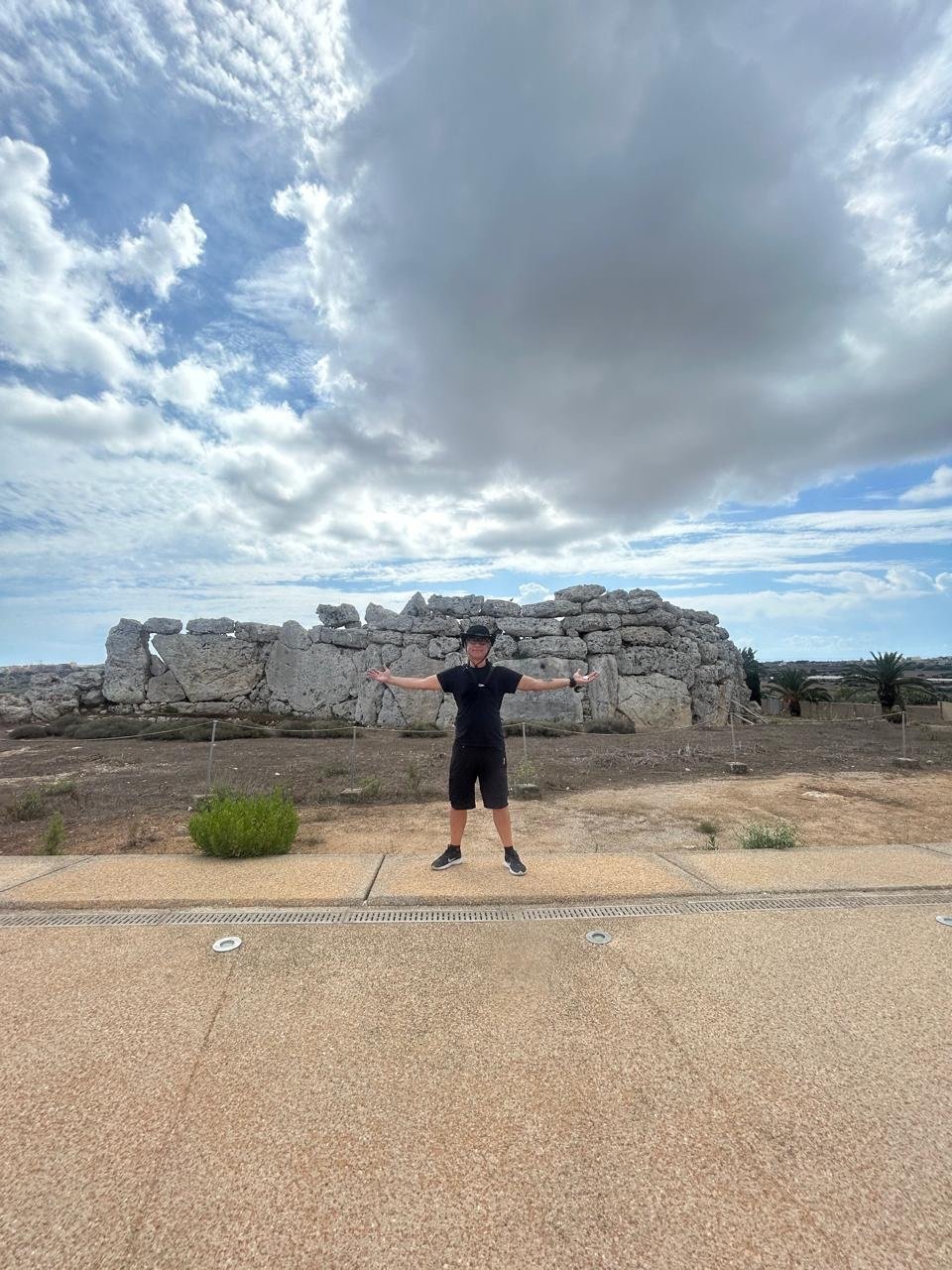 Ġgantija Archaeological Park, Gozo.
I came out of those three days with a bunch of questions.
What do we actually know about the people who built these places?
How did they quarry and move stones that large?
How did they get them upright and build with them?
What did these places look like when people were actually using them?
How much of their technology are we missing because the materials simply didn't survive?
That's what I want to spend the next few posts trying to figure out.
Standing in all that limestone is its own argument for leaving a stone for tomorrow, since almost nothing else lasts.
Lining 3600 BCE up against Stonehenge is the same move as watching time play tricks on a neat historical line.
Asking how far we get without giants is the habit that took me from analytics to archaeology in the first place.
📬 Enjoyed this article?
Subscribe for the stuff that doesn't make it onto the blog — half-finished ideas, what I'm reading and listening to, behind-the-scenes notes, and the occasional rabbit hole. No spam, just things worth your time.