The Invisible Scales of Magic
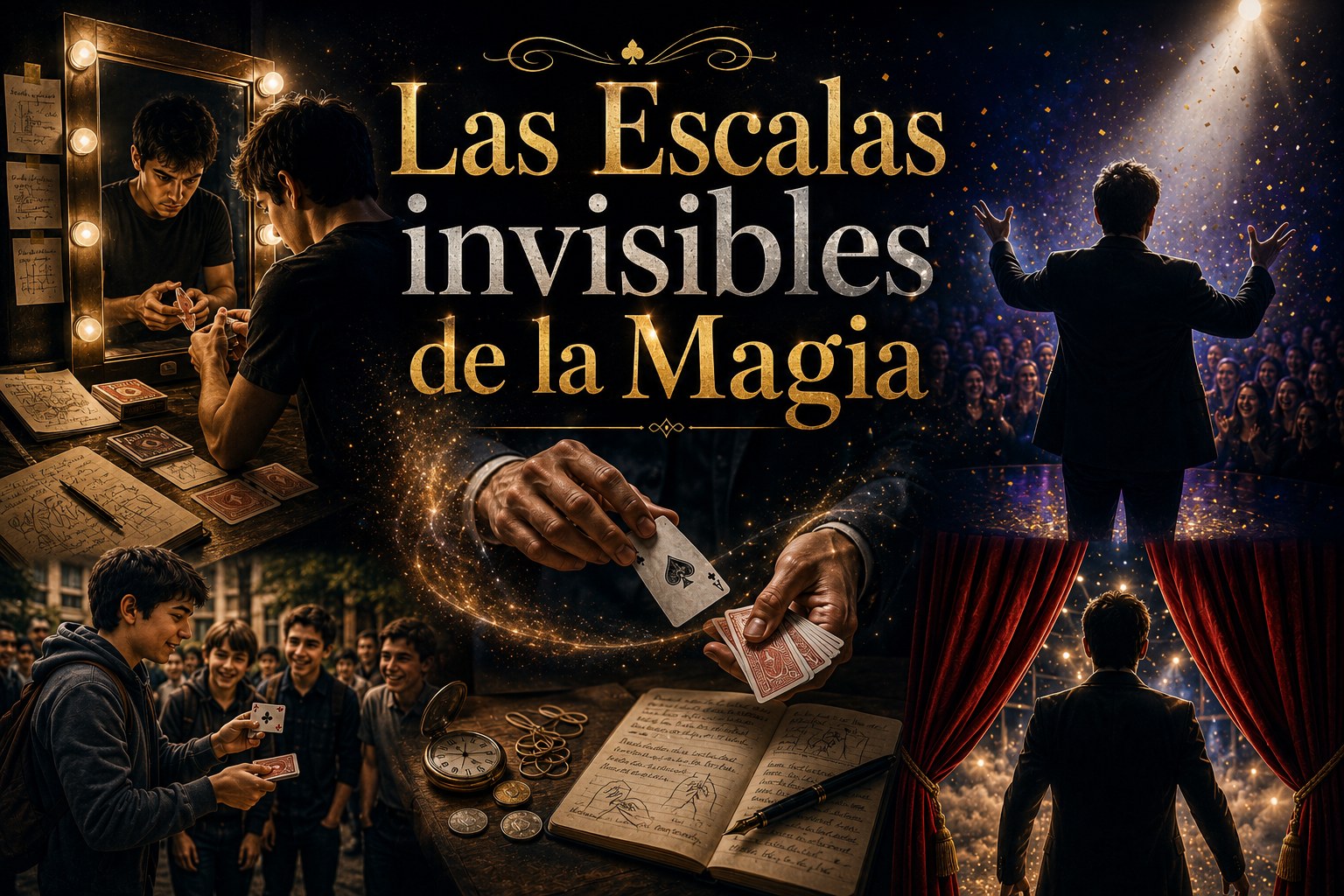
In a podcast I heard, Shin Lim was talking about Mat Franco's show, and he mentioned that Franco usually says something more or less like this:
"Enjoy the show, enjoy the magic. Don't try to figure it out... unless you want to be a magician."
For those of us who practice magic, this is no surprise. It's the very center of our art. But it's interesting that a magician would say it out loud in a show in Las Vegas, in front of an audience that, by nature, usually does just the opposite: try to discover the secret.
From the outside, magic looks like a flash. A card changes. A coin disappears. A bill ends up inside a lemon. You blink and it's over. You laugh, applaud, shake your head in disbelief. But what you don't see is the magician at two in the morning, in front of the mirror, repeating the same move hundreds of times until the fingers betray nothing.
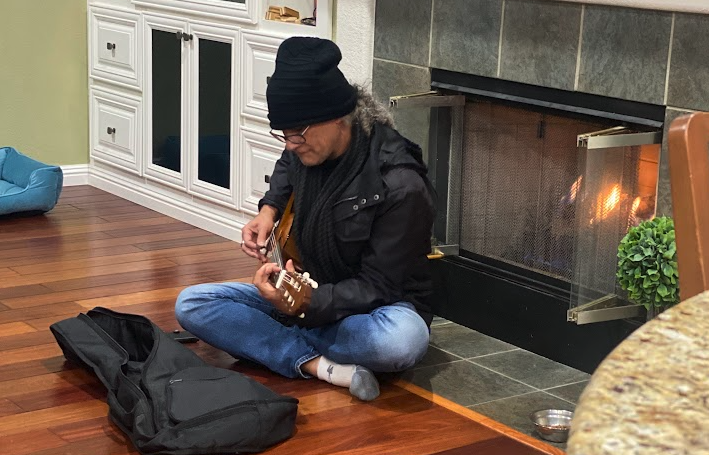
It's the same as a guitarist practicing scales. Nobody buys a ticket to hear scales. But without them, there's no solo, no melody, no magic in the music. Magicians have our own invisible scales---movements, subtleties, rehearsed phrases---repeated over and over until they disappear.
But here's the difference: in most arts, you can still perceive the training behind the work. A dancer's discipline shows in every movement. A painter's brushstrokes tell the hours of study. A guitarist's calloused fingers are proof of their work.
Magic is different. In magic, the entire point is to erase the work. If the audience sees the scales, the art collapses. The better the magician, the more it seems like it required nothing. That's what makes it unique---and why the demand is so brutal.
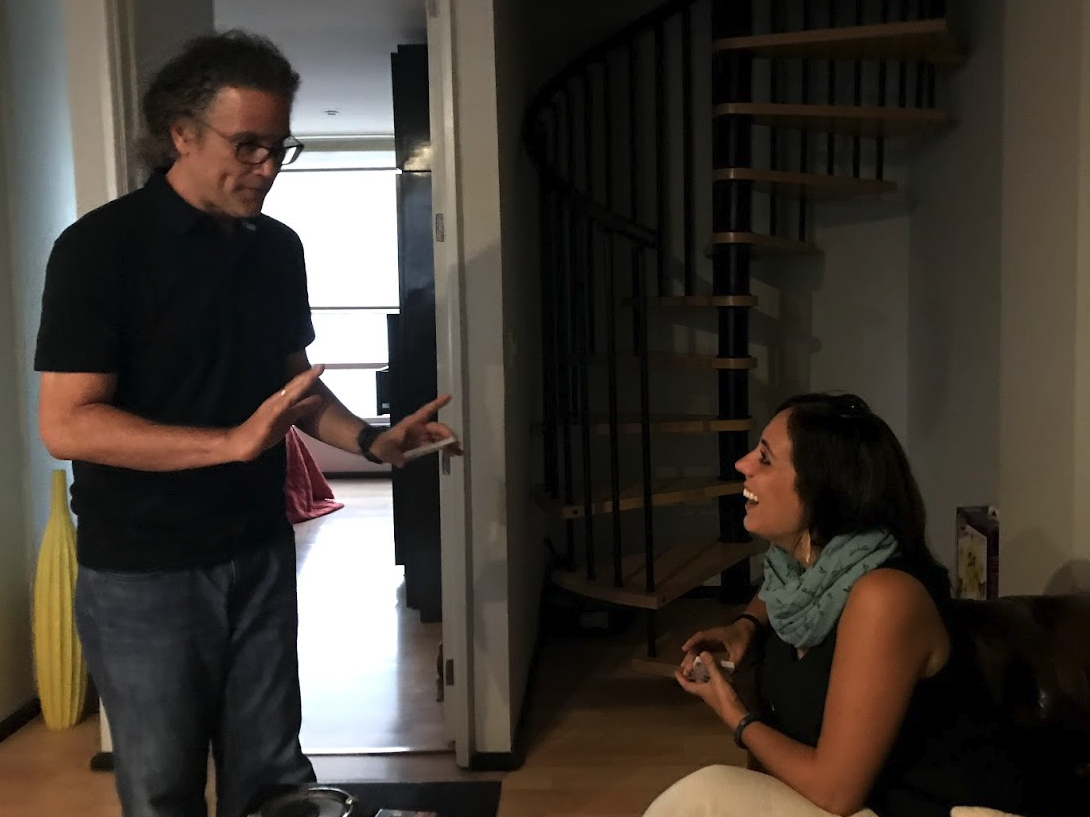
And here comes the cruel part for the beginner: to master a trick, it's not enough to repeat it in front of the mirror. You have to take it out into the world---knowing they're going to catch you, that it's going to show, that you're going to fail.
That creates a special anxiety. You're a teenager with a deck in hand, approaching your friends at school, trembling, praying they won't laugh when the secret move shows. You're at the family dinner, sweating, hoping the coin doesn't fall to the floor when your Uncle Pepe makes a joke in the middle of your routine.
The mirror will never challenge you. It will never make a comment at the wrong moment, interrupt your patter, or laugh when you fail. Only an audience can do that. And that's the cruel gift of magic: the only way to learn is to risk ridicule, over and over, until the trick stops being a trick and starts being yours.
That's why, when you see a really good magician, what you're actually seeing are thousands of invisible hours---movements practiced until they disappear, scripts rewritten until they sound natural, mistakes paid for with sweat and embarrassment.
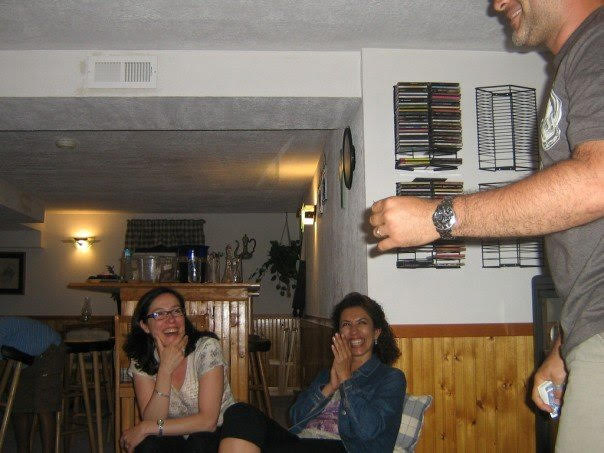
The irony is beautiful: the more a magician works, the less the work shows. The wonder you feel is built on foundations you'll never see. And that's exactly what it's about.
So next time you're at a show, remember what Mat Franco more or less says in his presentations
"Enjoy the show, enjoy the magic. Don't try to figure it out... unless you want to be a magician."
Enjoy it. Don't try to discover the secret---unless, of course, you want to be the one behind the curtain, practicing scales that no one will ever hear.
If you're interested in one of the places where those invisible scales come to life—where magic is lived and breathed—you might enjoy reading about The Magic Castle.
Hollywood's Magic Castle is where those invisible scales become visible.
500 years ago Reginald Scot was already explaining the work behind the trick — one of the first to do so.
A good magician's speed is just accumulated competence — time invested in one place.
📬 Enjoyed this article?
Subscribe for the stuff that doesn't make it onto the blog — half-finished ideas, what I'm reading and listening to, behind-the-scenes notes, and the occasional rabbit hole. No spam, just things worth your time.