Why are there no more cartoons on cereal boxes in Mexico?
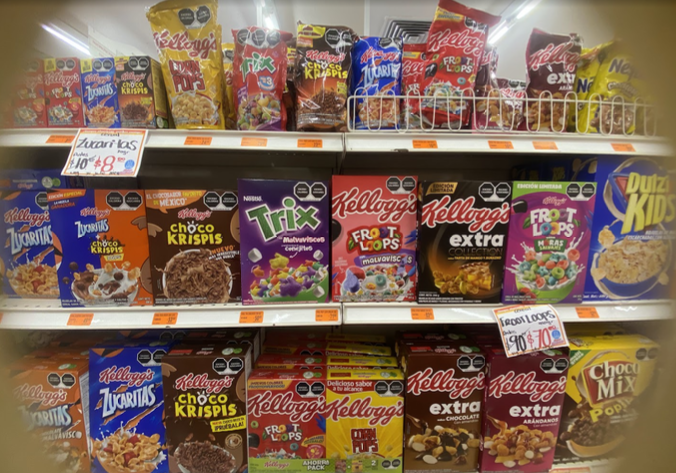
Since October 1, 2020, NOM‑051‑SCFI/SSA1‑2010 came into effect as part of Mexico's new front-of-pack labeling system, requiring warning labels ("Excess sugars", "fats", etc.) on ultra-processed products.
Starting April 1, 2021, any product with these labels cannot include children's characters, cartoons, celebrities, athletes, or mascots on its packaging. The goal: reduce appeal to children and encourage more conscious purchasing decisions by parents and guardians.
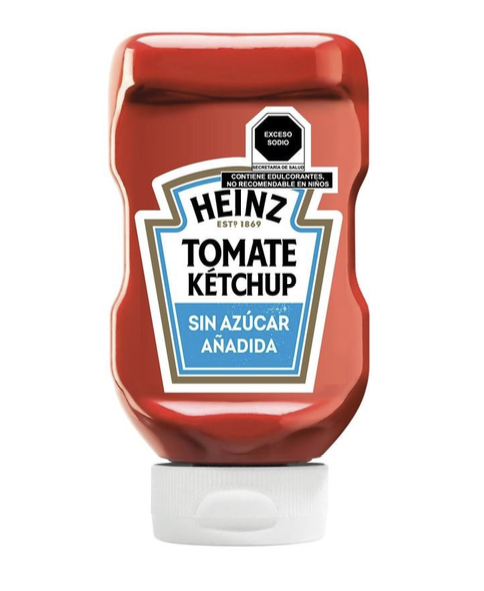
This labeling leads to funny situations like the case of low-sugar ketchup, which is high in sodium, or low-sodium ketchup, which is high in sugar 🤷🏼♂️
With this measure, brands like Bimbo, Kellogg's, and Nestlé had to redesign their packaging and eliminate or adapt their iconic characters. Some even reformulated their products to avoid the labels... and thus recover their mascots.
🍞 Grupo Bimbo: artificial colors out by 2026
As part of this trend toward "cleaner" products, Grupo Bimbo announced it will eliminate all artificial colors from its products globally by the end of 2026 (Infobae). It also committed to ensuring that by 2025, its entire breakfast product line achieves at least 3.5 stars on the international Health Star Rating system.
🌍 Similar initiatives in other countries
- Chile implemented a similar label system in 2016, with positive results: the presence of mascots on cereals decreased from 43% to 15%.
- Peru and Uruguay have also limited the use of characters and advertising aimed at minors.
- In the United States, although cartoons are still allowed on children's products, companies like Nestlé, General Mills, and Kraft Heinz have already announced the elimination of artificial colors between 2026 and 2027.
🧂 Real change or just the beginning?
While these initiatives in Mexico represent an important advance in public health, we cannot ignore that these changes come decades late. For years, the market was saturated with ultra-processed products, with aggressive advertising aimed at children and without an effective regulatory system.
The most extreme case is Chiapas, where studies have shown that per capita consumption of Coca-Cola is among the highest in the world. In communities like San Juan Chamula, the drink has come to have a symbolic, almost ritual place, even displacing water as the main liquid consumed.
This is no coincidence, but the result of years of institutional neglect, lack of access to drinking water, and uncontrolled marketing campaigns. The change in labeling and product reformulation are a good start, but there's still a long way to go to reverse the effects of a food culture deeply influenced by commercial interests.
🧠 Sugar: innocent pleasure or addictive substance?
Much has been said about sugar as a common ingredient in the modern diet, but science has made it clear that its effect on the brain is more like that of a drug than a neutral food. Neuroscientific studies have shown that sugar consumption activates the same reward centers as substances like nicotine or cocaine. When ingested, dopamine is released in the nucleus accumbens, generating an immediate feeling of pleasure... and, in many cases, a cycle of craving and dependence.
It's no coincidence that programs like Bright Line Eating—focused on people with difficulties controlling their eating—completely eliminate added sugar and refined flour, treating them as "trigger substances" in people susceptible to food addiction. This approach doesn't seek to moralize eating, but rather recognize the neurological power that certain ingredients have over human behavior, especially in an environment where access to ultra-processed foods is almost inescapable.
Streaming platforms have their own version of this pattern — systems designed to hook you, not nourish you.
A programmer's body accumulates its own version of damage from habits that look harmless.
These small daily decisions are how we spend — or invest — our time and our health.
📬 Enjoyed this article?
Subscribe for the stuff that doesn't make it onto the blog — half-finished ideas, what I'm reading and listening to, behind-the-scenes notes, and the occasional rabbit hole. No spam, just things worth your time.