Six Months with Kiko Loureiro: A Musician's Mentorship Story
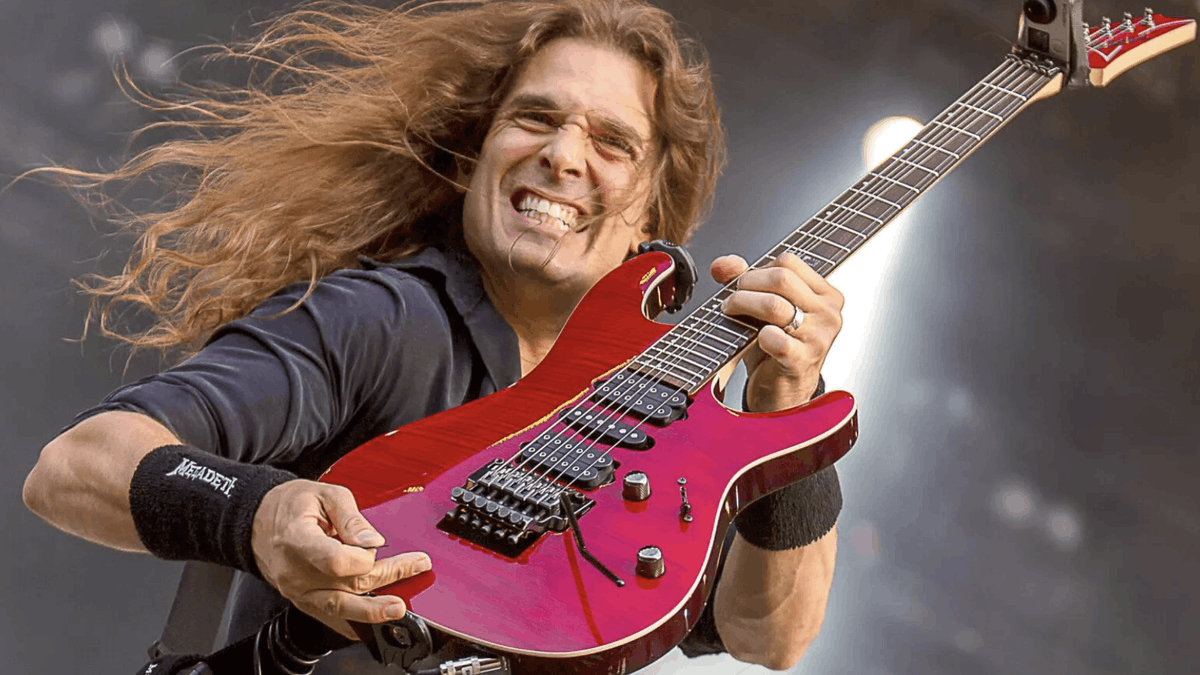
Photo credit: ultimate-guitar.com/news/gear/...
In 2024 I signed up for the Kiko Loureiro Mentorship Program. I expected guidance on songwriting and harmony. What I gained was inspiration, structure, and the courage to finally take my own music to the stage.
For those unfamiliar with Kiko Loureiro: he's a Brazilian guitarist who spent eight years as the lead guitarist for Megadeth, one of the "Big Four" thrash metal bands. Before that, he spent over two decades with the progressive metal band Angra. Beyond his technical prowess, Kiko is known for blending Brazilian music with heavy metal, creating a unique voice in the genre. He's also an educator, author, and has released several solo albums exploring everything from metal to jazz fusion. He runs the Kiko Loureiro Guitar Academy, where he teaches guitar techniques and music theory to students worldwide.
I first heard about the program through a direct email sent to members of Kiko's online academy. The timing couldn't have been better: I had already decided to start composing my own music, and I've always admired Kiko not only as a guitarist but as a composer. When the invitation arrived, the decision was easy—I said yes almost immediately.
Of course, it's not as simple as just enrolling. Before acceptance, I had to fill out a detailed questionnaire and share videos of myself playing. Kiko reviews these personally to understand your technical level and musical direction. That way, he knows what kind of value he can bring to your journey.
I didn't know exactly what to expect, but I knew what I was looking for. My focus wasn't on faster playing or new techniques. I was interested in songwriting and harmony—how to take what's inside and turn it into music. That was the mindset I carried into the first session.
The program's structure was simple and effective. It began with a one-on-one call with Kiko, based on the questionnaire I had submitted. That conversation defined the roadmap for my mentorship journey.
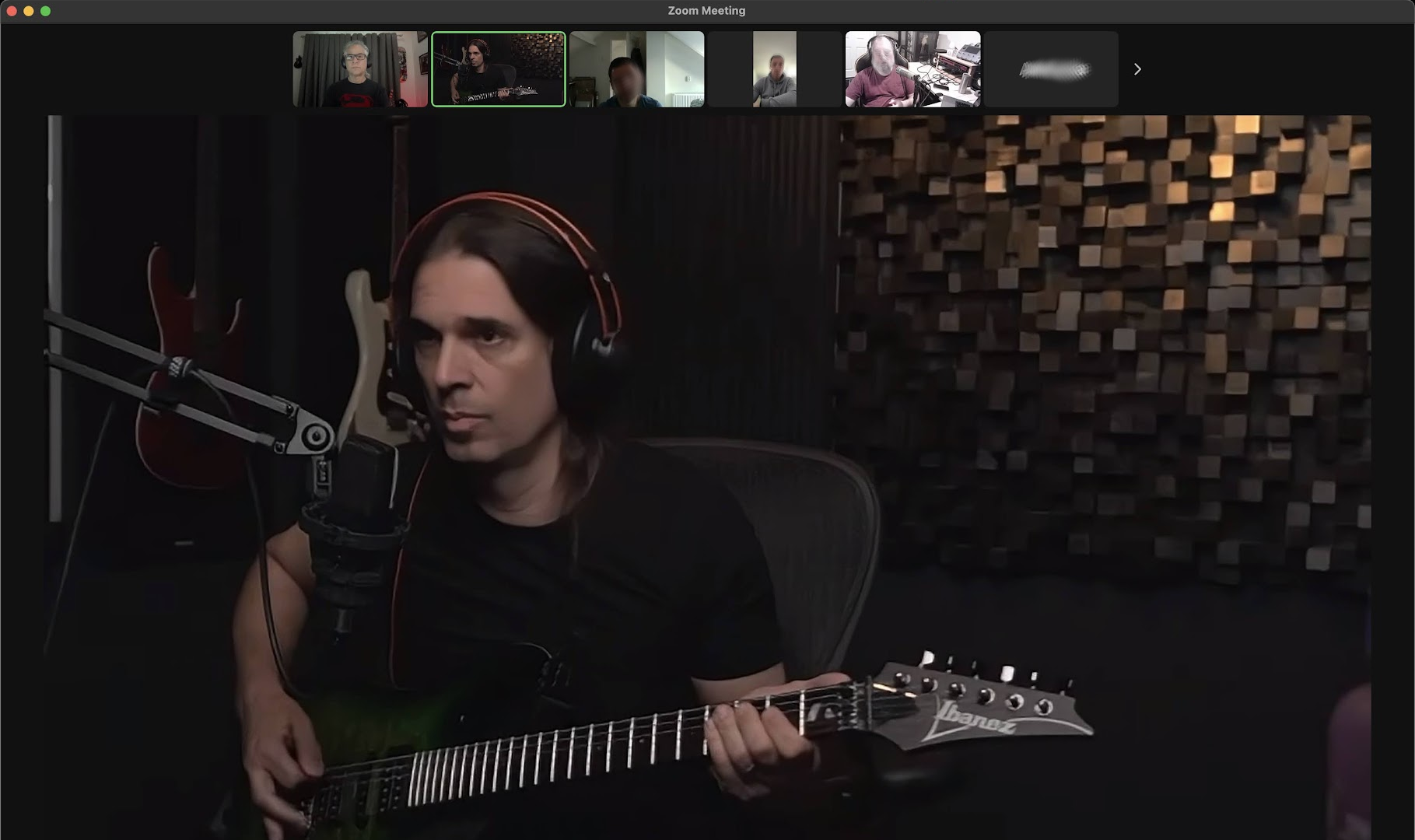
Over the next six months, we had bi-weekly group calls to discuss progress, challenges, and ideas. Finally, the program closed with another one-on-one session, a kind of postmortem and farewell.
What I gained most wasn't a "secret technique," but inspiration. Inspiration from Kiko, from the stories he shared about his own journey, and from the other musicians in the program—their achievements, their projects, their struggles. Somewhere along the way, my focus expanded. I had entered looking for help with songwriting, but I left with a new drive—not just to compose, but to get on stage and perform my original material. That courage came from hearing Kiko talk about his experiences and from seeing what others were already doing and accomplishing.
The mentorship also reshaped my process. Before, I often waited for music to reveal itself. Afterward, I realized that sometimes you have to search for it, to work at it. The program gave me structure and workflow. Now, my daily practice is less about waiting for inspiration and more about exercising the muscle that uncovers it.
The group dynamic was equally impactful. It was fascinating to hear what other musicians considered their challenges compared to mine. Some were recording in world-class studios, collaborating with well-known artists. Seeing their journeys firsthand demolished mental barriers. It reminded me that this path is possible, and that others are already walking it.
By the time I'm writing this, since the end of the mentorship, I've produced two original songs. Following Kiko's advice, I also learned a couple of cover songs. With that in hand, and with the inspiration I gained through the program, in April 2025 I played my first-ever solo show: a 45-minute set of both covers and originals.
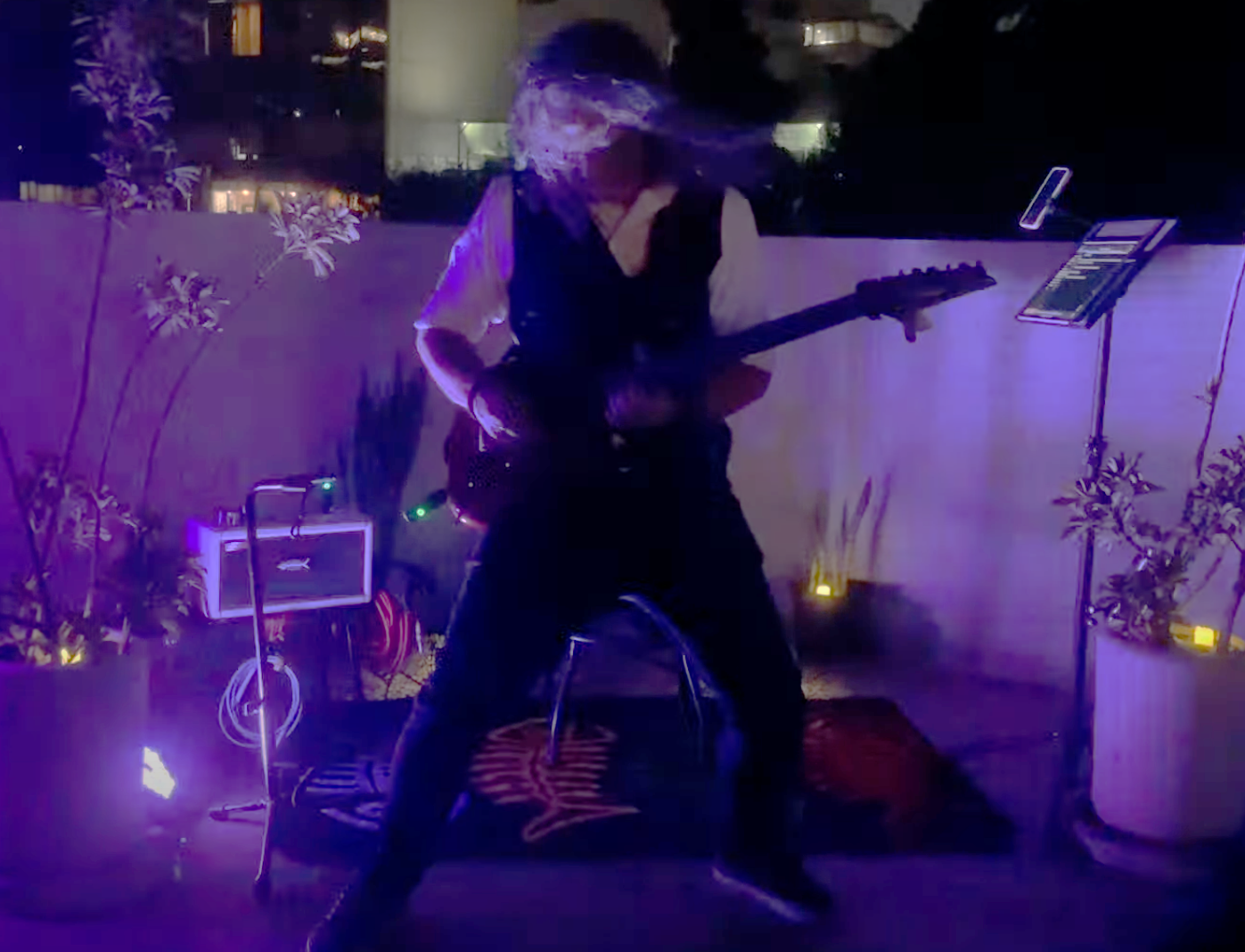
Beyond the music, the mentorship taught me about connection. Opening up to other musicians you don't know is difficult, but this group showed me the value of it. It made me consider building my own small circle of trusted peers, people I can share my work with and receive honest feedback from.
Plus, now I have a new friend I can go visit when I go to Finland! 🇫🇮
Looking back, the mentorship wasn't just about becoming a better guitarist. It was about becoming more structured, more open, and more inspired—both as a musician and as a person.
And the kicker? All of this transformation happened just as I was about to turn 53. Not bad timing for a new chapter.
Another way I've been filling the songwriting gap is building my own composing partner from scratch.
The whole pivot back to music took me three years before this mentorship was even on my radar.
Most of what I've learned about building a music career goes back to a mindset shift I wrote about earlier.
📬 Enjoyed this article?
Subscribe for the stuff that doesn't make it onto the blog — half-finished ideas, what I'm reading and listening to, behind-the-scenes notes, and the occasional rabbit hole. No spam, just things worth your time.