Kevin Rose and Digg's Reboot: A Technological Resurrection I Didn't See Coming
I've been following Kevin Rose since The Screensavers days on TechTV.
Back then, he was that nervous guy in a hoodie with boundless energy who appeared on TV talking about code, gadgets, and hacks when nobody was calling anyone a "tech influencer" yet. Kevin was one of us—but on television.
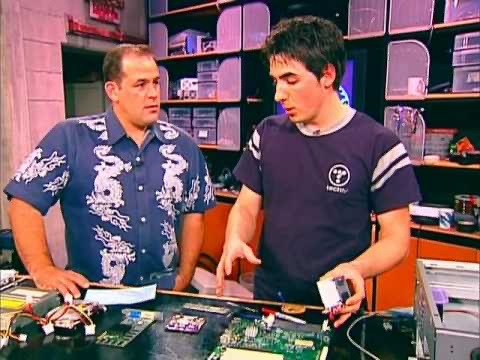 Caption: Kevin Rose with a Mac he built in 2004
Then came Digg.
A lot of people forget how artisanal that first launch was. Kevin paid about $3,000 to a freelance developer he found on elance.com (now Upwork) to build the site. No venture capital. No team of twenty people. Just a clear idea, the desire to build, and hitting "publish."
Digg was like Reddit before Reddit, but with more style and less chaos. You'd post a link, the community would vote on it, and if it reached the "front page," your server would crash from the amount of traffic it received. The "Digg Effect" was real.
At its peak, Kevin appeared on the cover of BusinessWeek with the headline: "How This Kid Made $60 Million in 18 Months."
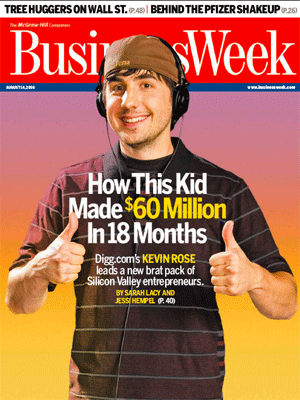 Caption: BusinessWeek cover, August 14, 2006
Something many people don't remember:
Digg patented its voting button. Yes, that one-click "Digg this." It was the first direct social interaction button. Before Facebook's Like. Before Twitter's heart. That "like" gesture was born there, and you can still feel its echo throughout the modern web.
And it didn't just inspire users. It also inspired startups.
Around the world, clones emerged wanting to replicate the model in their language or with their own culture.
The most famous example in the Spanish-speaking world: Menéame, launched in 2005 in Spain (thanks Fran for telling me about this). It was basically a Digg in Spanish, with its own community and open source code. The name is a play on "méname" ("move me") and it became a meeting point for Spanish-speaking geeks, techies, and digital activists.
And it still exists.
Same as others like Balatarin in Iran, Scoop.it, Fark, and the classic Slashdot with its Firehose. All of those were born in Digg's shadow. The only one that really kept the throne was Reddit, but it wasn't the first.
These clones weren't just copies—they were communities with personality, united by the same powerful idea: people curating the best of the internet.
And if Digg changed how we read the internet, it also changed how we talked about it.
That's where Diggnation came in, the weekly video podcast that Kevin did with Alex Albrecht. Two buddies on a couch, with beers, commenting on the most voted news on Digg.
It was one of the first tech shows in a relaxed format, and for many of us, the soundtrack of that era's internet.
And guess what: Diggnation is back too. In 2025, same duo, same energy—just with better audio and more gray hairs. Between nostalgia and relevance, they keep asking the important questions… and also the dumbest ones.
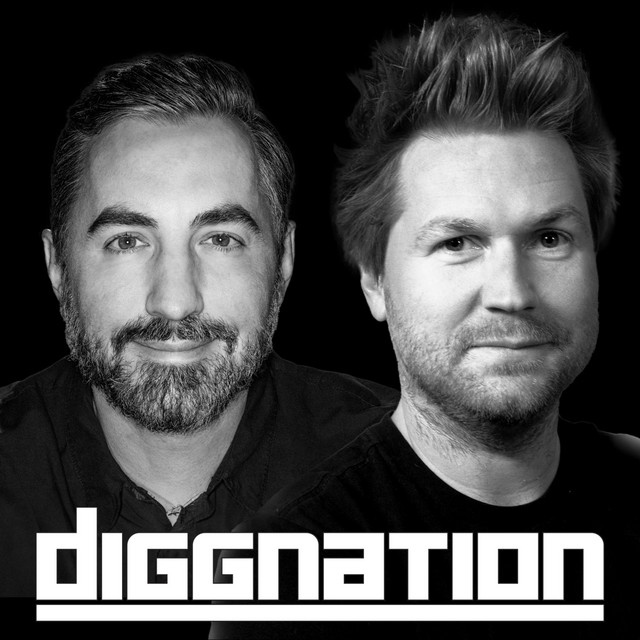 Caption: Diggnation reboot in 2025
But yes, eventually everything fell apart.
Users rebelled against the redesign, Reddit gained traction, and Digg was sold in 2012 for about $500,000. The button patent was bought by LinkedIn for almost $4 million. Kevin, for his part, kept creating.
He founded Revision3, invested early in Twitter, Square, Medium, and launched the Foundation podcast. Always with that "digital explorer" vibe.
And now, in 2025, Digg officially returns. Kevin buys it back along with Alexis Ohanian (Reddit co-founder), and they name Justin Mezzell as CEO. They call it Web 2.5, without so much smoke.
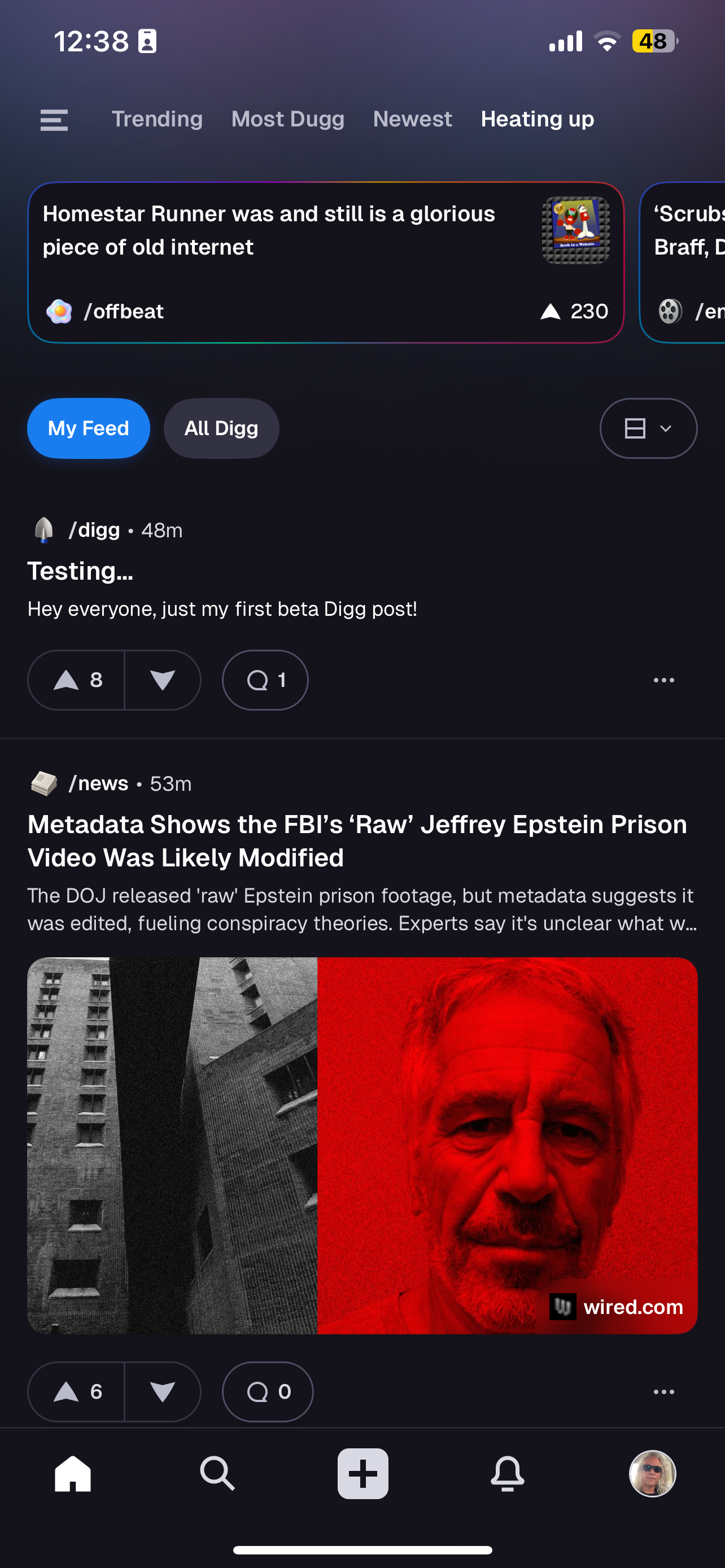 Caption: Digg Alpha 1.0.0 running on iPhone
This time they're betting on AI to help with moderation. They want communities to have better tools to filter noise without having to kill themselves manually. Everything is positive energy now. There's also an early access program called Groundbreakers (a group I belong to), where you can reserve your username for $5 (donated to nonprofits).
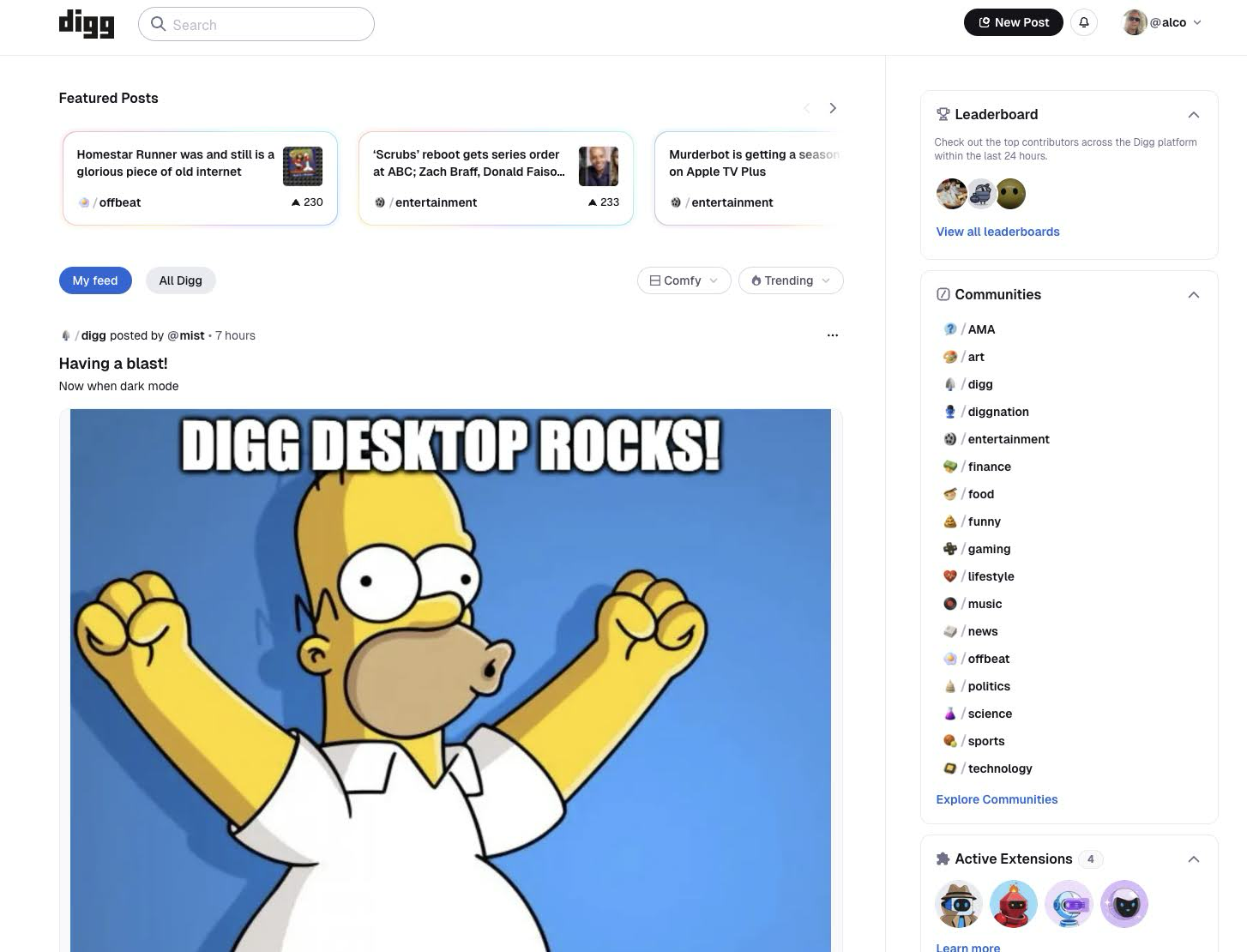 Caption: Digg Beta on Desktop
And the thing is, you know I've always supported the "Kevin Roses" of the world. The ones who build. The ones who launch. The ones who hire someone for three thousand dollars to build something that doesn't exist yet. The ones who fall with one wave, but get up with the next. The ones who stay curious.
Around the same time Digg was starting, I was writing my first book about CGI in Visual Basic.
I had my own "I think I invented something" moment around those same years — a tracking pixel in 2004.
Today, building something like that original Digg looks completely different.
📬 Enjoyed this article?
Subscribe for the stuff that doesn't make it onto the blog — half-finished ideas, what I'm reading and listening to, behind-the-scenes notes, and the occasional rabbit hole. No spam, just things worth your time.